
How to Live in Indonesia on a Budget
Everyone dreams of living in Bali. We did too—until we actually tried it. Here’s the uncomfortable truth about expat life in Indonesia that nobody wants to admit: you can either spend all your income maintaining a lifestyle in tourist hotspots or megacities, or live in a small town and actually generate wealth.
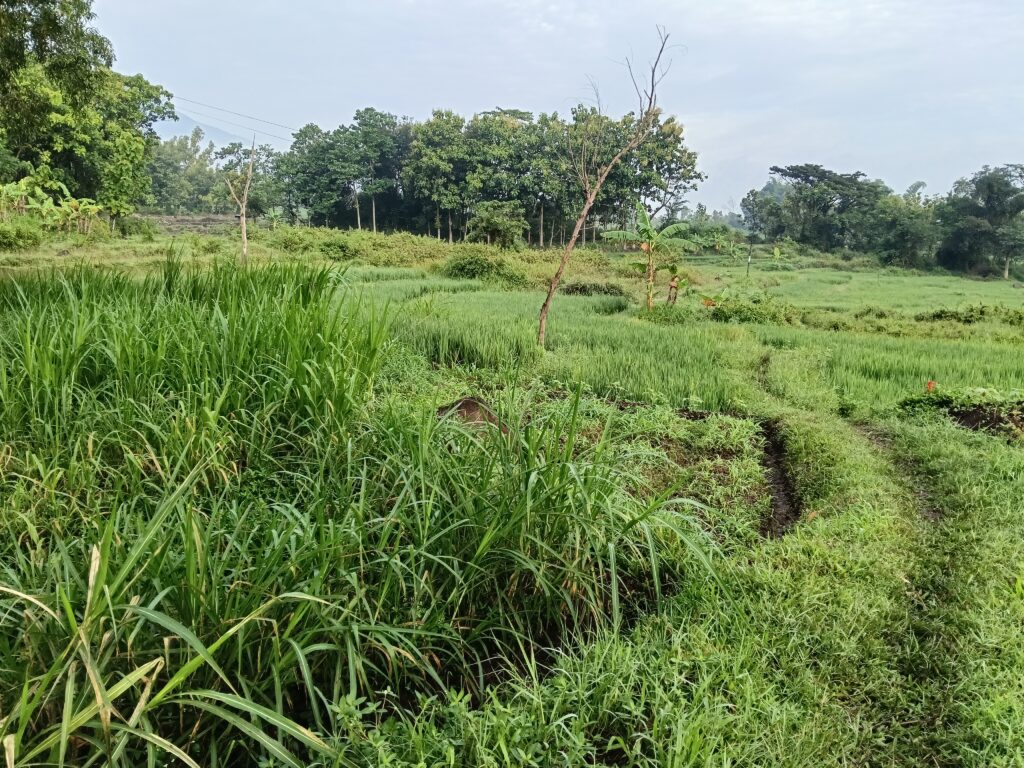
Our family of five earns an average of about 12 million rupiah monthly. In Bali or Jakarta, this would all disappear into rent, inflated grocery bills, and the constant drain of high prices. Instead, we chose Magetan, a small rural town in East Java, where something remarkable happens: we live comfortably on just 10 million rupiah monthly and invest the remaining 2 million.
The Radical Math of Small-Town Living
Let’s be brutally honest about costs. In Seminyak or Canggu, a decent three-bedroom house runs 15-25 million rupiah monthly. In small towns, the same 15 million rupiah can rent a house for an entire year. Utilities cost 1 million monthly for everything: gas, water, electricity, internet, waste disposal. The same services in Bali would easily hit 2-3 million.
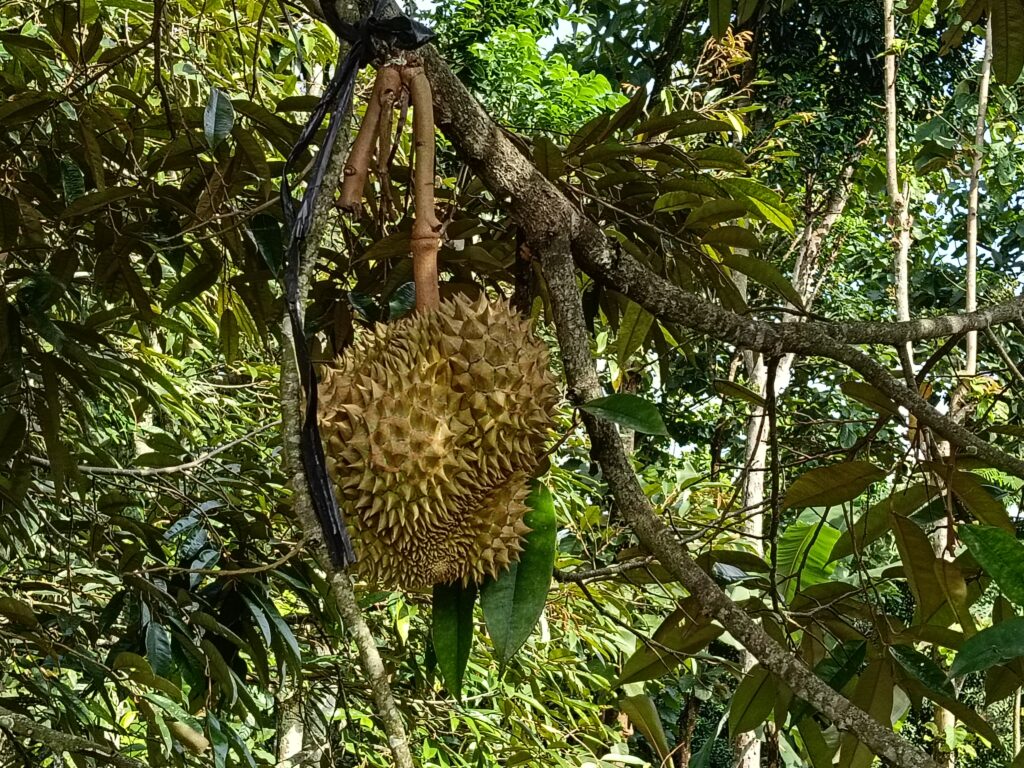
The grocery story is even starker. Fresh vegetables costing 50,000 rupiah per kilo in Ubud markets cost 15,000 here—and they’re fresher because they come from farms down the road, not trucked across the island. We employ a nanny at 1.5 million monthly and a gardener at 1 million—fair local wages that would barely cover part-time help in expat areas. We buy some produce at markets, and harvest the rest from our own garden.
Transportation runs 700,000 rupiah monthly for car and motorcycle fuel. Children’s extracurricular activities—music and sports—cost just 700,000 for two kids, roughly what one music lesson costs in Bali’s expat bubble. We allocate 300,000 for clothing, 200,000 for garden seeds and supplies, and maintain emergency funds of 500,000 monthly.
Add it all up: roughly 10 million rupiah provides comfortable living for five people in an environmentally clean and safe place. This isn’t survival mode or penny-pinching—it’s real comfort with hired help, fresh organic food, and activities for our children.
The Investment Mindset
Here’s where it gets interesting. Those remaining 2 million rupiah monthly—plus savings from our garden reducing grocery costs—don’t disappear into lifestyle inflation. They go toward building real wealth. Some months we save more when income is slightly higher and unexpected expenses don’t materialize. Over a year, this becomes 24+ million rupiah in investable capital.
By keeping our living costs at 10 million monthly, we maintain flexibility to seize opportunities when they appear.
Why Bali Became Unaffordable
We tried living in Bali’s Nusa Dua: beautiful beaches and international amenities, a huge and friendly expat community. But also—expenses that made saving impossible. Rent alone consumed what would be our entire monthly budget here.
Surabaya presented different problems. As East Java’s major city, it offered urban conveniences but also urban costs, pollution, traffic, and megacity stress where you can’t even let teenage children walk alone. The quality of life simply didn’t justify the expense.
The Small-Town Advantage
Magetan isn’t on tourist maps. The local economy operates on Indonesian prices, not expat prices. When you buy vegetables at the morning market, you pay what locals pay because the seller sees you not as a money bag but as another customer. Landlords charge based on local rental markets, not what they think foreigners can afford.
The cool mountain climate means our children play outside comfortably year-round. Air quality is extraordinary. Safety is genuine—you can leave a motorcycle with keys in the ignition overnight without worrying about theft.
The climate favors gardening and allows year-round food production impossible in Bali’s coastal heat. Our garden isn’t just a hobby; it’s a functional system significantly reducing expenses. The 200,000 rupiah we spend monthly on seeds returns many times over in produce. Our gardener’s 1 million rupiah salary pays for itself through the food security and cost savings his work provides.
The Trade-offs We Accept
Small-town life isn’t for everyone, and we’re clear-eyed about compromises. There are no international schools—our children attend regular public schools. Western amenities are scarce. The nearest international airports are 2-3 hours away in Surabaya and Surakarta. English isn’t widely spoken. Entertainment is limited compared to Bali’s and megacities’ endless restaurants, cafes, and nightlife.
But here’s the critical question: what are you really giving up? We traded overpriced lattes and yoga studios for financial security. We exchanged Sunday brunches and expat meetups for the ability to invest in our future.
The Long Game
This isn’t about being cheap—it’s about strategy. Every month saving 2-3 million rupiah means 120+ million rupiah in investment capital over five years—enough for a property down payment, business seed capital, or a substantial investment portfolio generating passive income.
Living in a small town also provides perspective that tourist areas destroy. We understand real Indonesian life, real local economics, real community dynamics. This knowledge opens new opportunities invisible to those who only socialize within expat circles. We see where Indonesia is actually growing and developing, not where foreign money has already inflated prices beyond sustainable levels.
Who This Works For
This lifestyle suits remote workers, flexible retirees, families prioritizing children’s health over convenience, and anyone willing to trade amenities for financial security. It doesn’t work for those needing international schools, constant expat community, beach access, or urban entertainment.
The critical factor is mindset. If you view Indonesia as a cheap place to maintain a Western lifestyle, Bali makes sense—as long as you have stable Western income. If you view Indonesia as a strategic place to live, small towns become the obvious choice.
The Bottom Line
We breathe clean air and sleep soundly knowing we’re building wealth, not just burning through income.
Bali is beautiful, Jakarta and Surabaya dazzle with their glamour, but small-town Indonesia is wise. The best expat life in Indonesia isn’t where everyone else is rushing—it’s where the math actually works.