
Raising Etawa Goats: Failed Experiment
Some ideas look perfect on paper. Then you actually implement them — and discover they’re completely wrong for you.
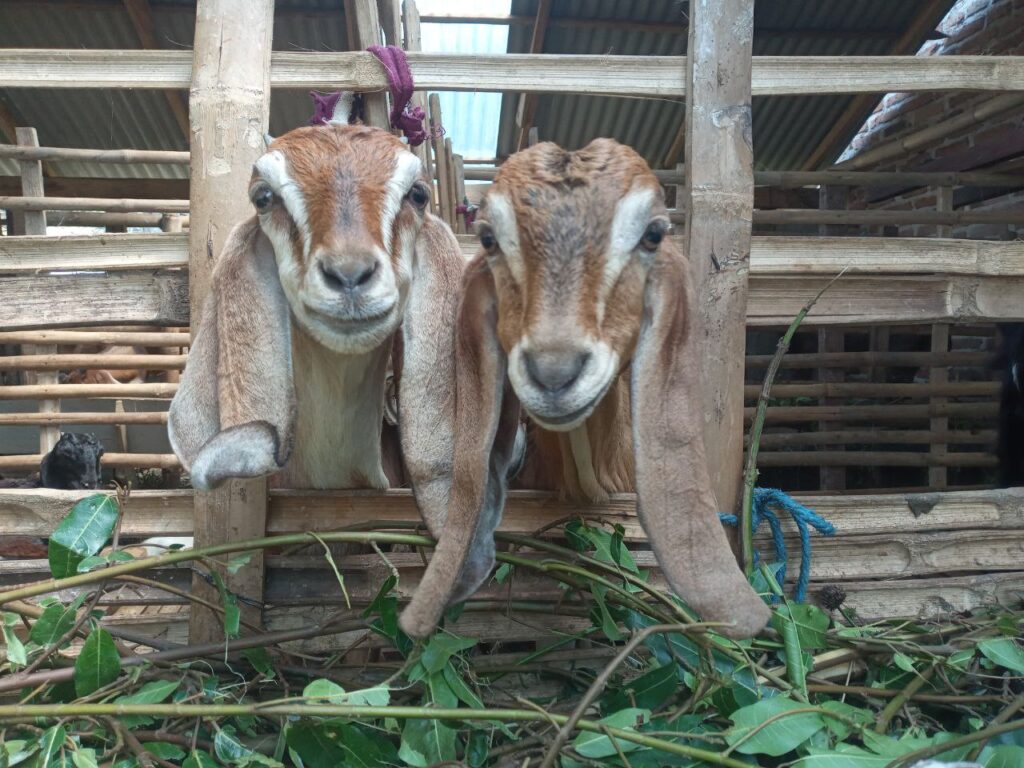
The Perfect Plan on Paper
There was a moment in our Indonesian gardening journey when we thought — why not raise goats? The logic seemed flawless. Manure would fertilize our garden. We could sell kids for extra income, crucial while waiting for our main harvest. Perfect synergy between flora and fauna.
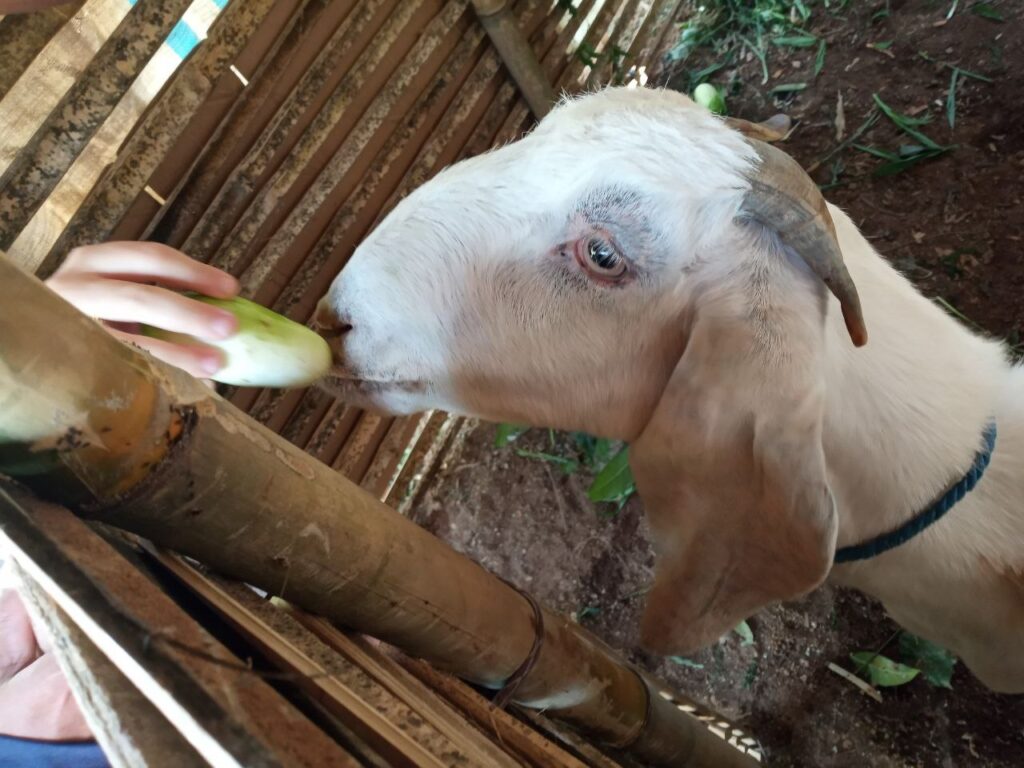
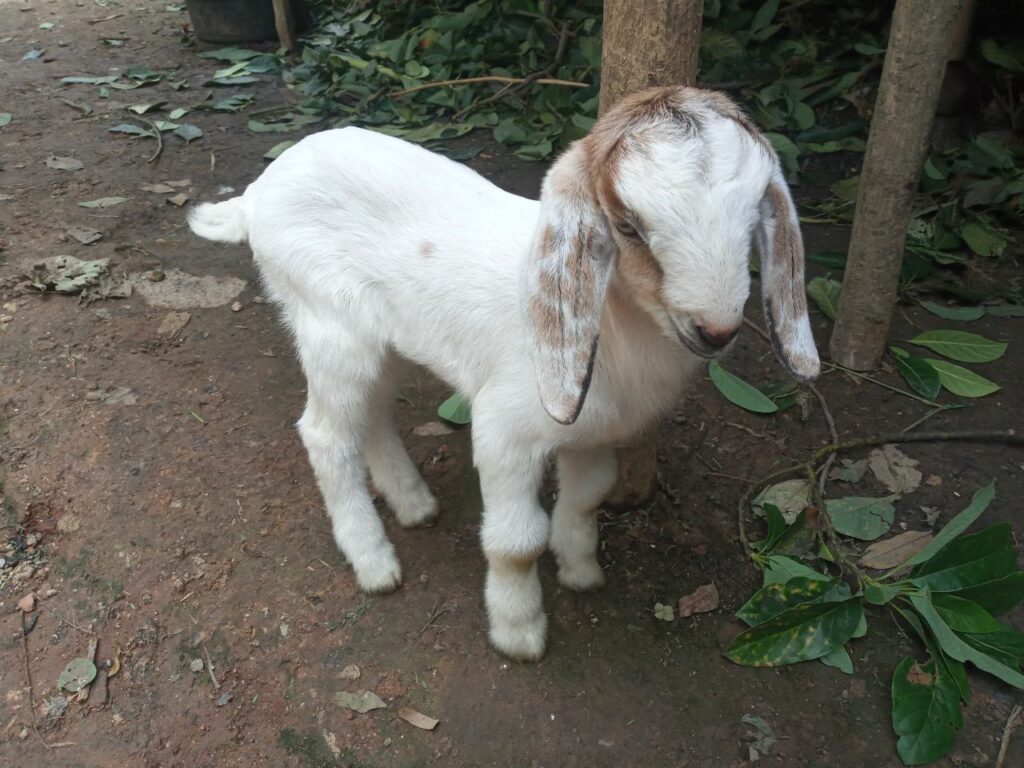
We started modestly — bought one white female goat, a local breed. Almost immediately we discovered the first problem: one goat produces laughably little manure. Calling it fertilizer would be generous.
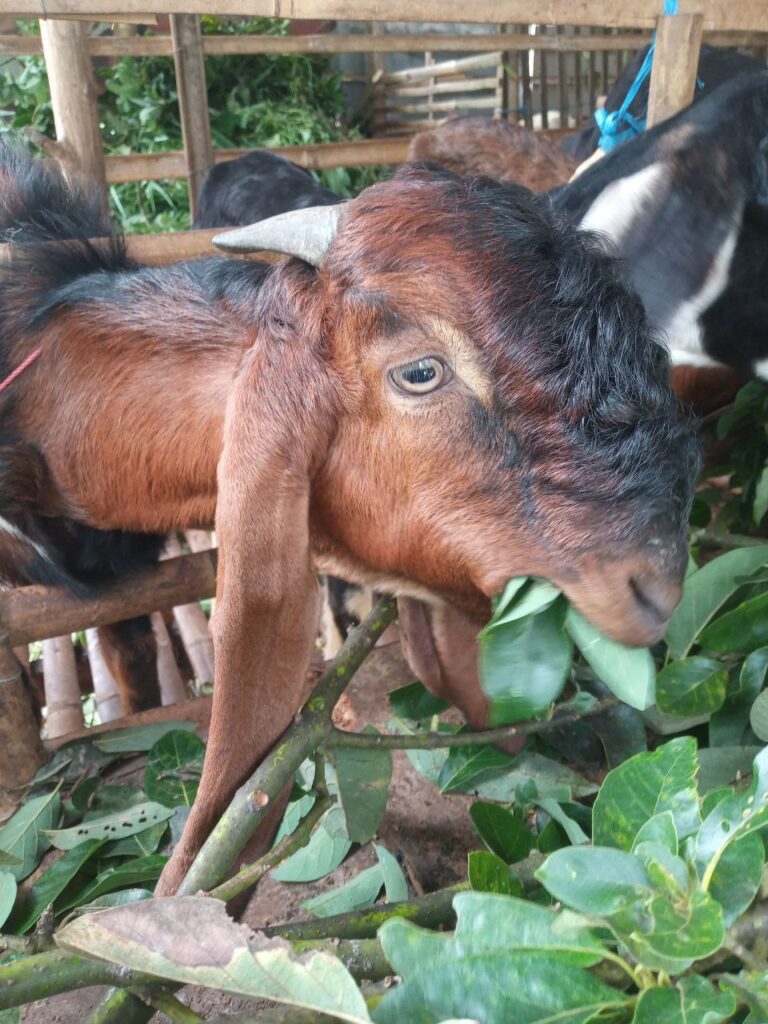
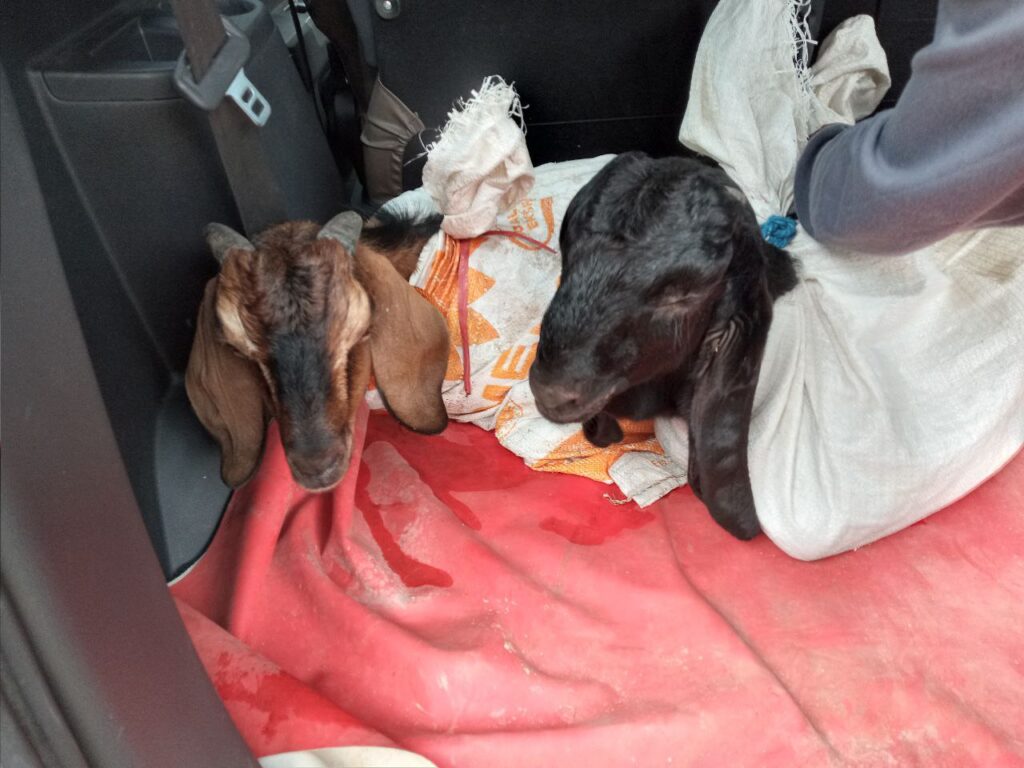
So we decided to scale up. Built a pen for 25 heads. Planted special fodder grass throughout the garden — rumput odot. It’s a protein-rich feed that grows year-round in the tropics. Acquired a proper herd: five bucks and twenty does of peranakan etawa breed — a cross between Indian Jamnapari and local Indonesian goats. This breed is popular in Indonesia for milk production and rapid weight gain.
One buck became our breeder. The other four were being fattened for Eid al-Adha — in Indonesia, every family sacrifices a goat or cow, distributing the meat to the poor. Demand steady, prices high. On paper, everything was working out.
Reality Proved More Complex
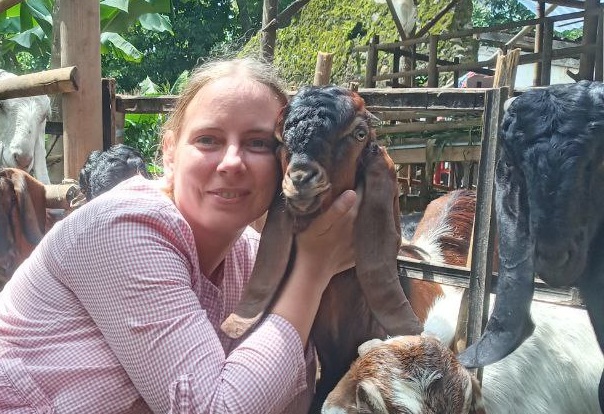
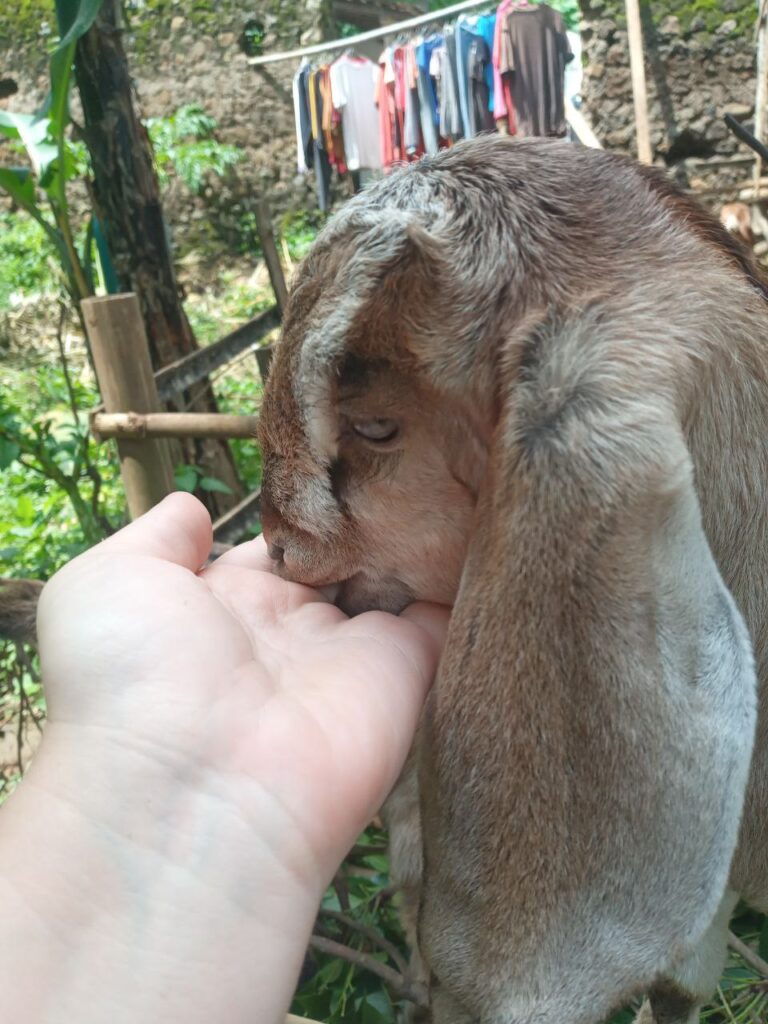
Our gardener took over daily animal care. Our children were excited! Riding the big buck and playing with baby goats turned out far more interesting than any toys or garden walks. The first few months seemed wonderful.
But gradually, problems we hadn’t anticipated began emerging.
First: profit from selling kids barely covered the salary of the employee caring for them. We’d imagined supplemental income; we got nearly zero profitability.
Second: the sacrificial goats didn’t deliver expected returns either. The market was saturated, competition fierce. Care plus fattening cost more than we’d calculated.
Third — the most unpleasant: unpurified manure proved not a blessing but a burden for our garden. It brought massive quantities of weed seeds. Worse still — it regularly caused root burn in our durians, triggering leaf and branch drop. Turned out our gardener wasn’t following strict protocols. Manure must ferment for at least six months and be applied no closer than two meters from the tree trunk. We’d explain — he’d nod. Check a month later — he’d done it his way. This cycle repeated endlessly.
Fourth: the fodder grass rumput odot we’d so diligently planted turned out to be an aggressive invader. It spread throughout the garden with the fury of a weed, depleted the soil, and slowed the growth of our fruit trees — the very reason we’d started all this.
The Moment of Truth
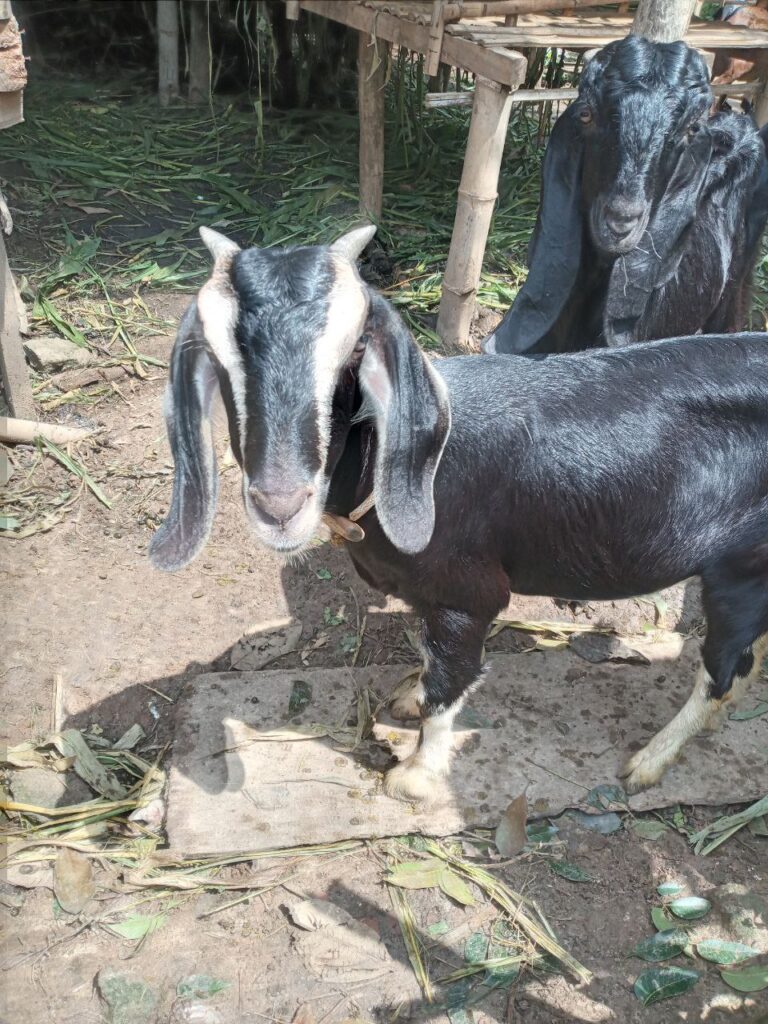
After eighteen months, it became obvious: this wasn’t working. We sold off the entire herd. Switched to rice husk ash (sekam bakar), bokashi, and vermicompost — proven, safe organic fertilizers requiring no supervision of our gardener’s actions. And spent several months uprooting the fodder grass that had rampaged across our garden.
The Lesson We Learned
Livestock in a tropical garden is possible — but only if you’re willing to invest time controlling every detail. And only if you have experienced staff you can genuinely trust. For us — a family focused on growing fruit trees and organic vegetables — goats became an expensive distraction.
We concluded: in our case, it’s better to concentrate on flora and not scatter our energy on fauna. Sometimes the best business plan is honest acknowledgment of what doesn’t work, and returning to what you do well.