How Flowers Saved the Harvest in Our Tropical Garden
When we first started creating our garden on Java, I never imagined it would take three full years before I could plant the first flower. But it turned out that a tropical garden is not just about beauty. It’s a complex ecosystem where every plant plays its role.
The first years, all our efforts went into creating the “backbone” of the garden — planting fruit trees: durians, avocados, mangoes, and citrus. These trees not only shape the microclimate but also provide shade, retain moisture, and structure the soil.
Only when the trees grew and a favorable microclimate was established in the garden could we think about ornamental plants. And this wasn’t an aesthete’s whim — flowers turned out to be critically important for the harvest.
Flowers — Not Just Beauty, But Necessity
By the time we started planting flowers, our fruit trees had reached fruiting age. And here arose a problem: where to find pollinators?
In a tropical garden on a slope, surrounded by cocoa and coffee plantations, natural pollinators are insufficient. Without bees, butterflies, and bumblebees — no harvest. That’s why flowers became not decoration, but an investment in future durians and mangoes.
First Settlers: Who Survived in the Tropics
Not all plants are ready for life in an aggressive tropical environment. Here’s who became the first ornaments of our plot:
Survived and Thriving:
Rain Lily (Zephyranthes)
Undemanding bulbs that delight with pink, red, yellow, and white flowers after each rain.
Red Amaryllis
Bright scarlet inflorescences attract butterflies and create accents in the garden.
White Lily
Fragrant snow-white flowers, resistant to local pests.
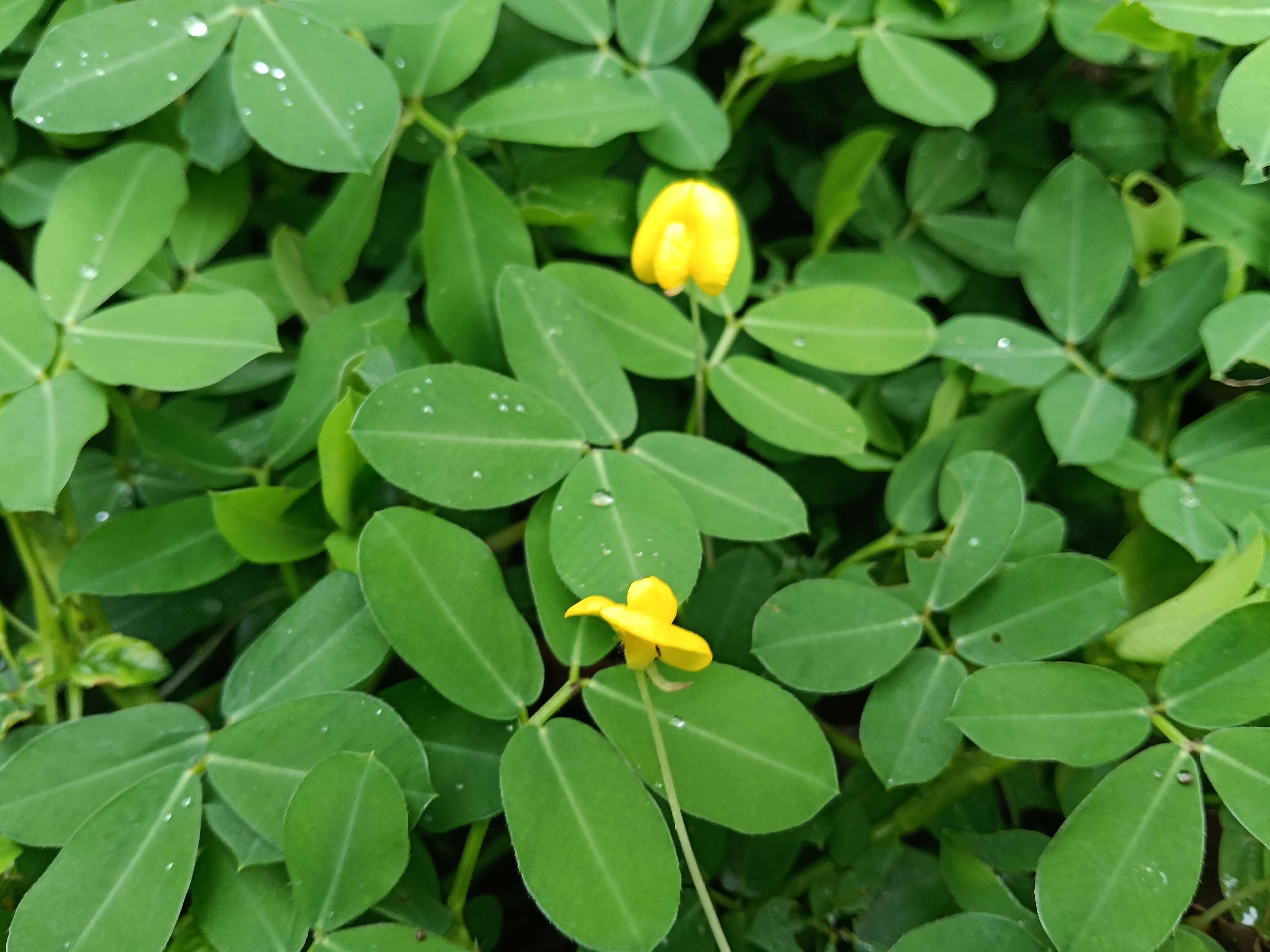
Ornamental Peanut (Arachis pintoi)
A ground cover plant with yellow flowers that also enriches the soil with nitrogen.
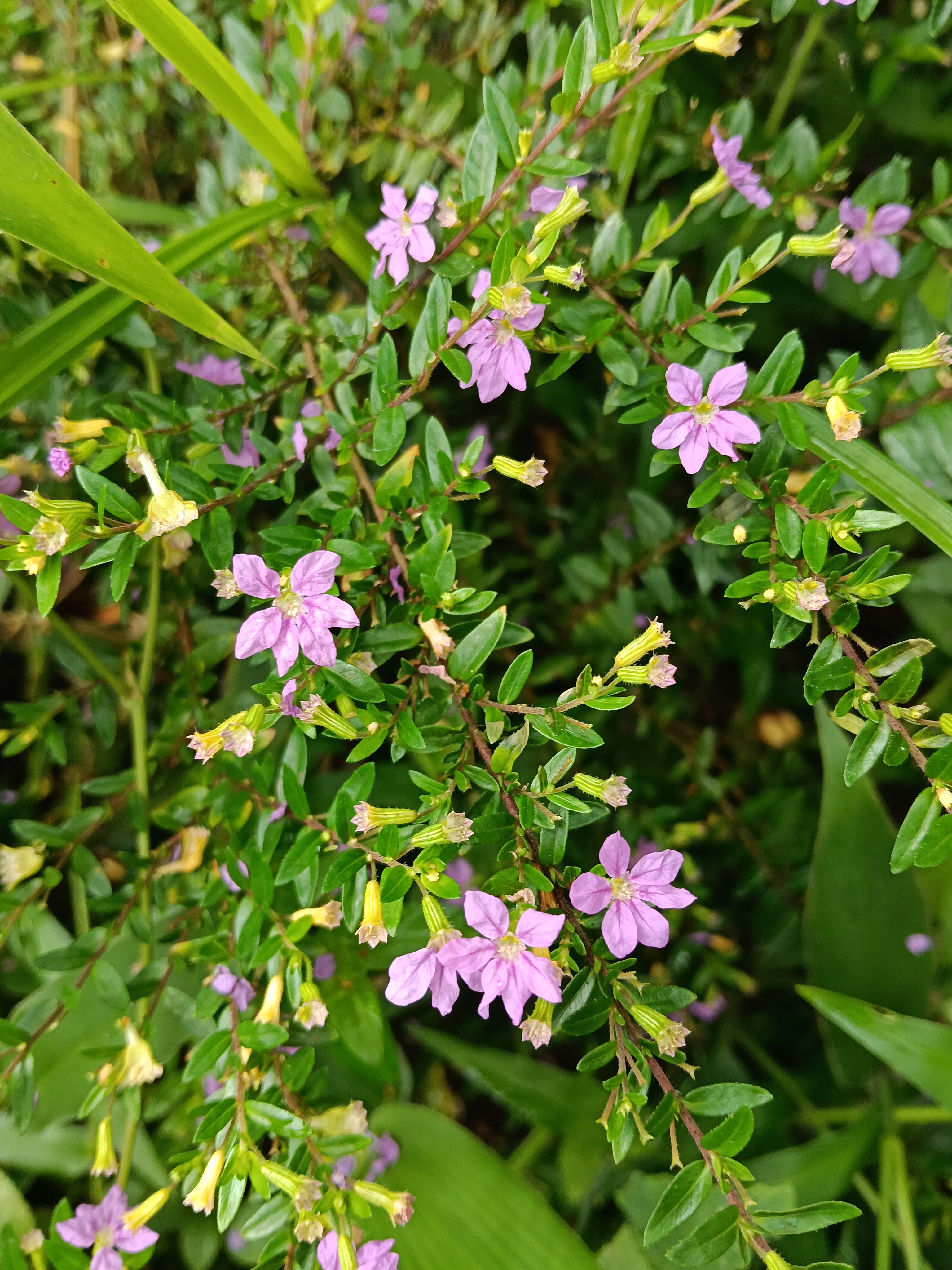
Mexican Heather (Cuphea hyssopifolia)
Delicate purple flowers, beloved by bees and hummingbirds.
Clerodendrum
Spectacular white or red inflorescences with long blooming period.
Ruellia (Wild Petunia)
Purple flowers that bloom year-round and spread by self-seeding.
Hibiscus
A tropical garden classic — bright large flowers in abundance.
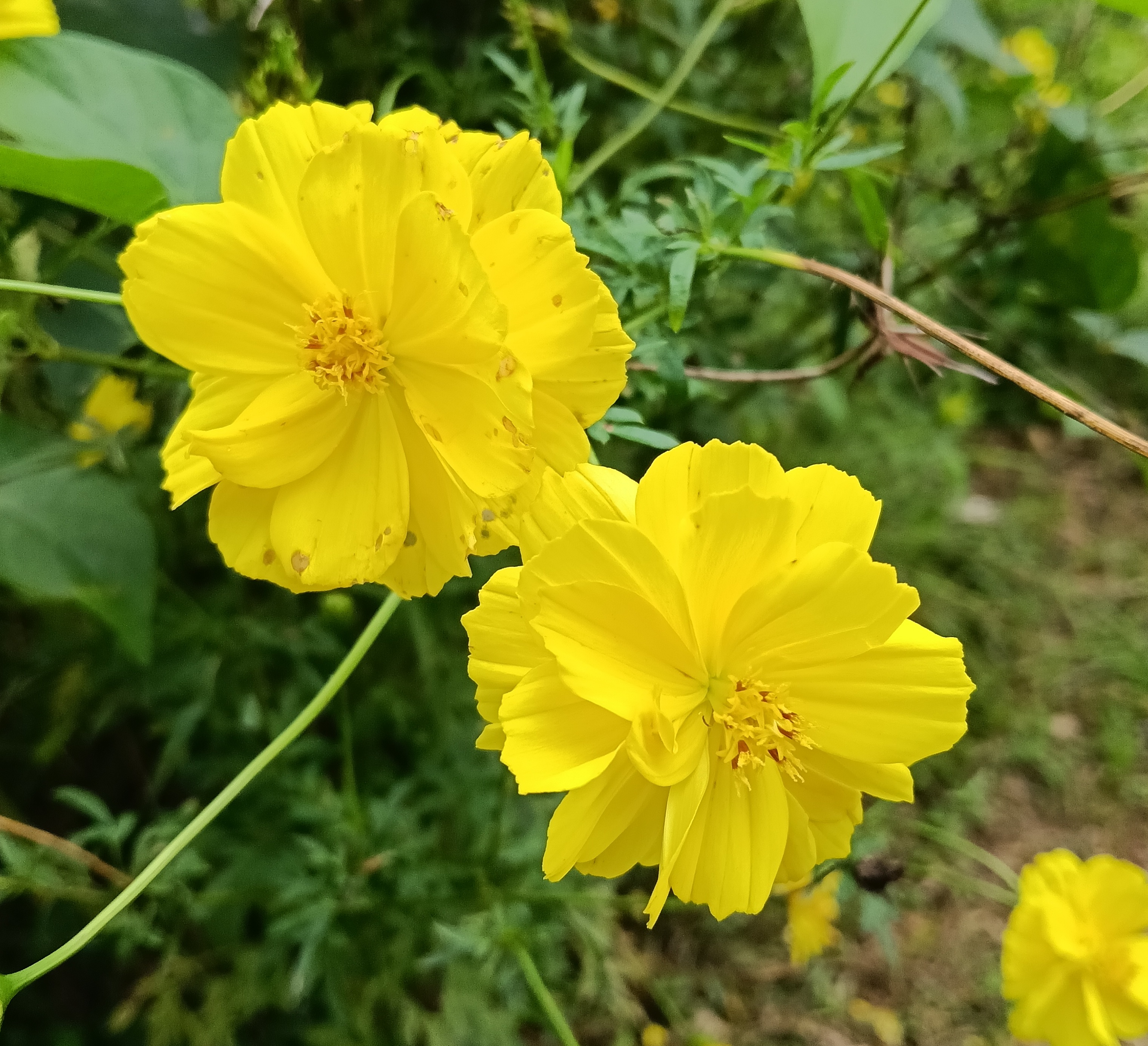
Lemon Yellow Cosmos
We planted a few bushes, and now it has spread by self-seeding across all terraces! Yellow flowers attract numerous insects.
Didn’t Survive:
Butterfly Bush (Buddleja)
Two seedlings on the plot were completely eaten by pests — termites or leafcutter ants. Only one bush in a container near the house survived, where it’s easier to control insects.
Result: The Garden Came Alive
Now walks through the garden are accompanied by the hum of bees and trigona (local stingless bees). Butterflies with bright wings flutter among the flowers, and bumblebees in their striped “coats” bustle in fluffy inflorescences.
But the main indicator of success is the number of fruit sets on fruit trees. Since flowers appeared in the garden, the quantity of fruit has increased many times over. Pollinators found our garden, which means the flowers were planted at the right time.
Lessons in Tropical Gardening
The three years of waiting paid off. Hasty planting of ornamental plants without a prepared microclimate would have led to their death.
In the tropics, each plant must perform a task: attract pollinators, enrich the soil, create shade, or retain moisture.
The exotic beauty buddleja lost to the modest ruellia. Those adapted to local conditions survive.
Plants that spread by self-seeding (like cosmos) require no effort and create a natural garden look.
In a fruit garden, ornamental plants are not a luxury, but a necessity for pollination.
And I’m also doing an experiment with peonies — yes, in the tropics! But that’s in another article.
🌱 Order online:
Indonesia – Fresh from Our Garden!