What to Plant Between Trees for Quick Harvest
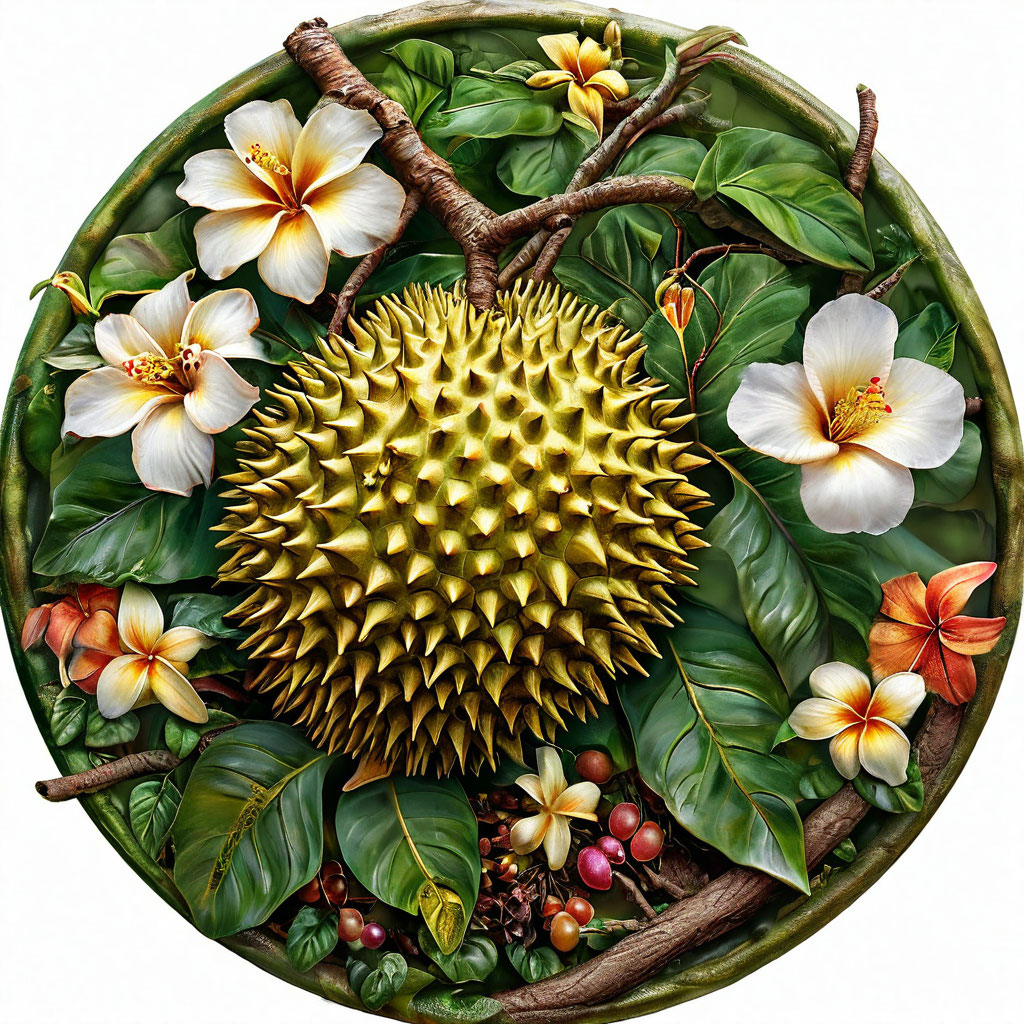
Growing durian is a long-term investment. From seedling to first harvest takes 4-7 years depending on variety and care. For us just starting our durian orchard, waiting that long without results felt like an eternity. But there’s a smart solution: utilize the empty space between young durians for fast-growing crops.
Why This Strategy Works
Newly planted durian seedlings are still tiny, only 50-100 cm tall. Their canopies aren’t developed and provide absolutely no shade. The soil around them receives full sunlight all day — perfect conditions for heat-loving tropical vegetables and fruits. Instead of leaving the plot empty and overrun with weeds, it’s better to plant something productive.
Crop Selection and Harvest Times
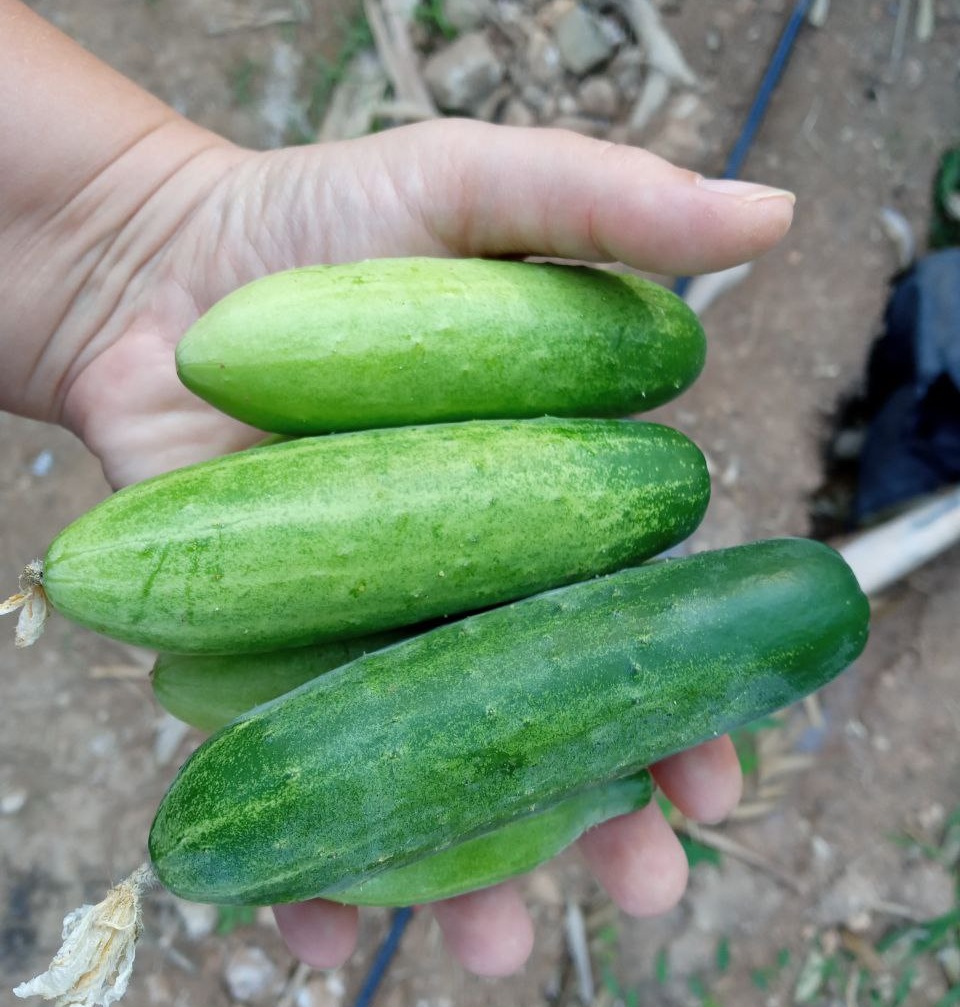
We experimented with several types of plants. The results were surprising! Cucumbers turned out to be absolute speed champions — just 30-40 days after planting we were already harvesting fresh, crispy fruits for salads. Imagine: one month from seed to food on the table!
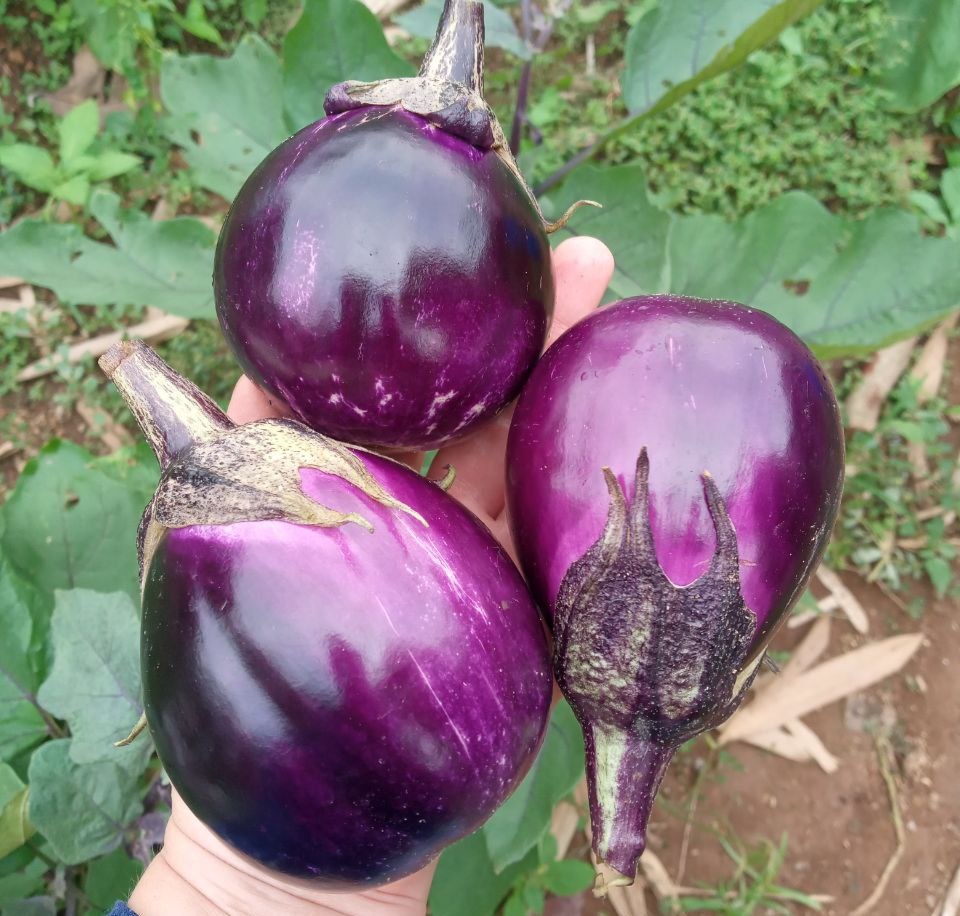
Watermelons, eggplants, sweet corn, and mulberries need a bit more time — about 3-4 months. Local Indonesian long watermelons thrive in tropical climate, and their taste is much sweeter than store-bought ones. Glossy purple eggplants ripen abundantly, enough for daily cooking.
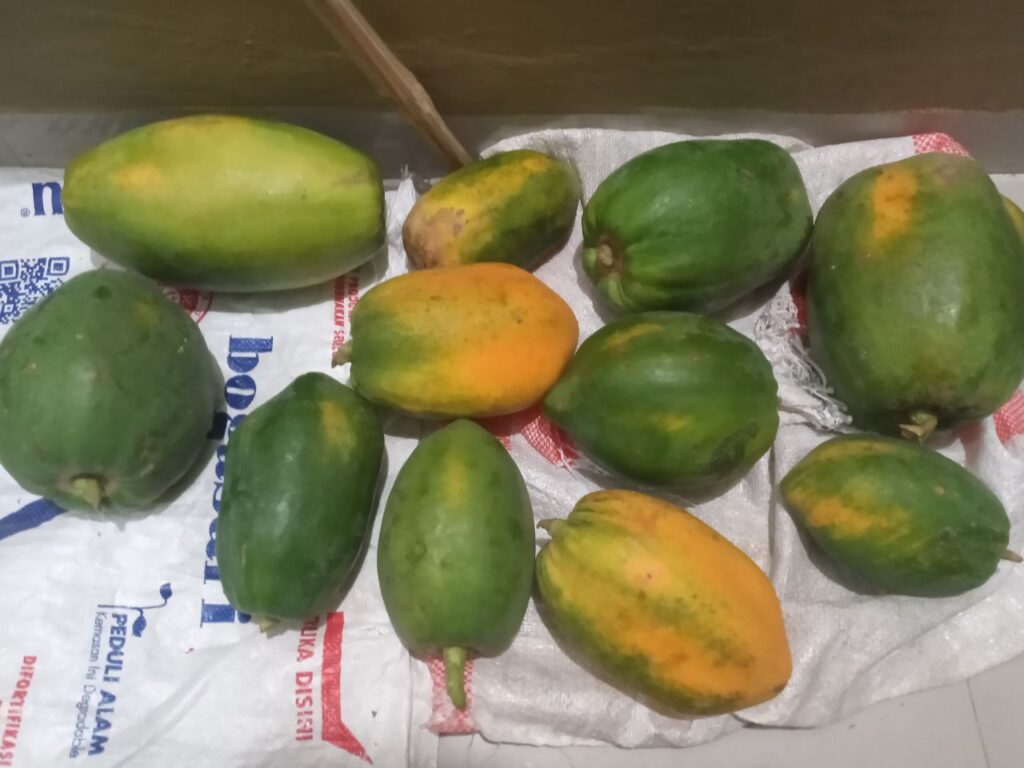
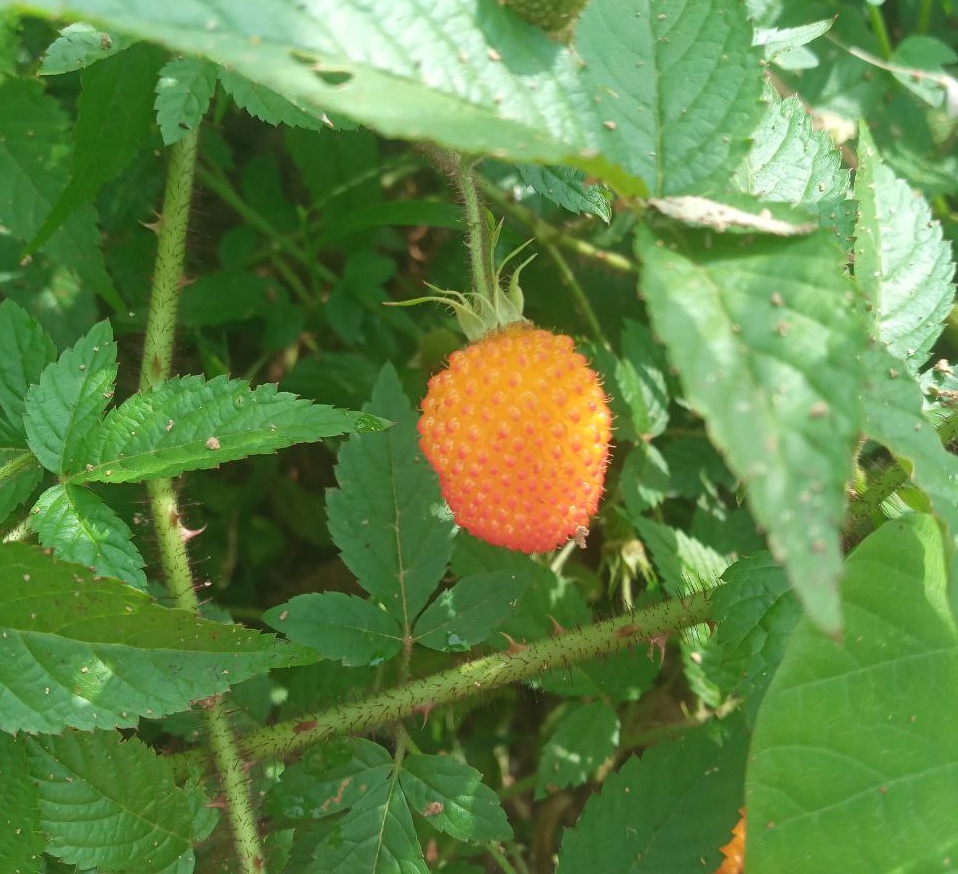
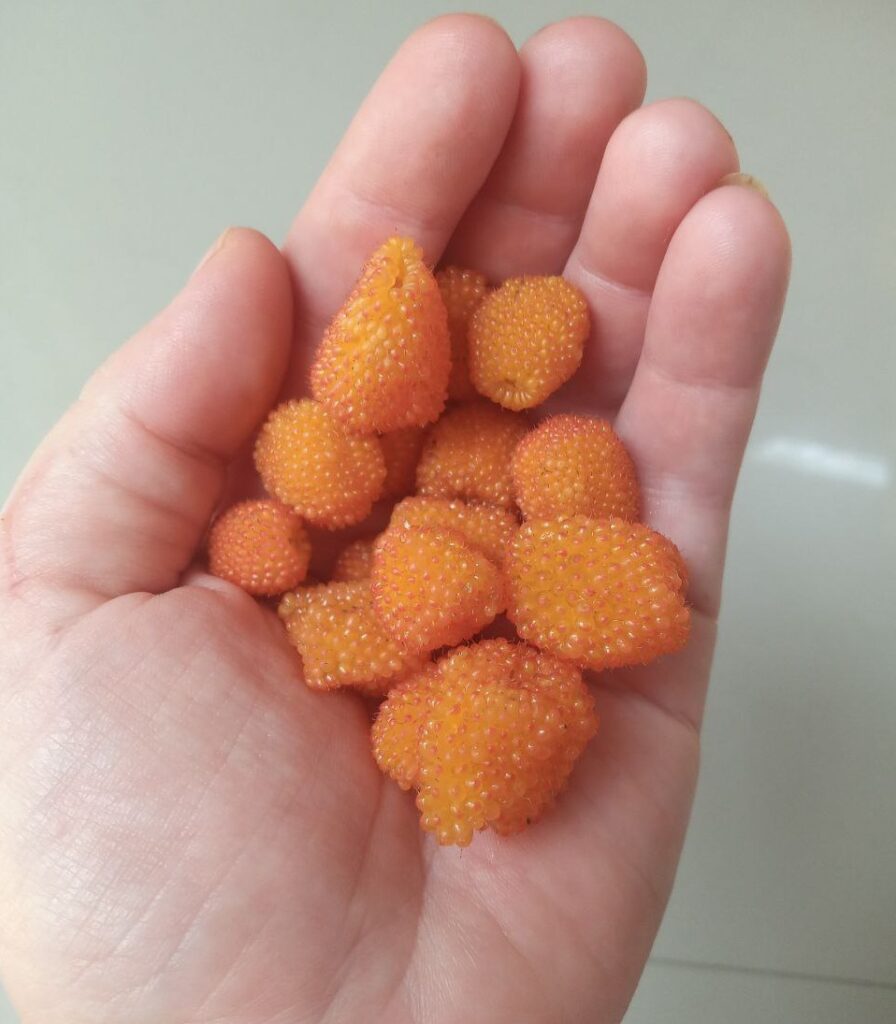
Papayas and raspberries fall into the medium category — they start fruiting in 6-12 months. Papaya varieties like California or Hawaii grow incredibly fast in Indonesia. A 2-meter tall tree can already produce large, sweet fruits. We had Hawaii variety in our garden, grown from seeds. It tastes so good! Native raspberry (Rubus Sumatranus), though less common, also adapt well with some light shade.
Important Rule: Maintain Distance!
The biggest mistake is planting too close to durians. We learned from experience: a minimum distance of 3 meters from the durian trunk is mandatory. Why? Plants like watermelons, corn, and papayas are voracious nutrient “eaters.” Their roots spread widely and absorb massive amounts of nitrogen, phosphorus, and potassium.
If planted too close, young durians will suffer nutrient deficiency. Their growth will slow, leaves will yellow, and worst of all — the time to fruiting may be delayed by years. Imagine waiting 7 years instead of 5 just because of incorrect spacing!
Double Benefits
This strategy provides multiple advantages. First, you get fresh harvests while waiting for durians. Second, caring for companion crops means regular garden visits, watering, and monitoring soil conditions — this automatically benefits the durians too. Third, some plants like legumes (for example, “ubi jalar” – sweet potato or beans) even enrich the soil with nitrogen.
After 3-4 years, when durians grow larger and their canopies create shade, the productivity of companion crops will decrease. But that’s fine — by then your durians are ready to flower and bear their first fruits. A perfect cycle!